 By cryptoadmin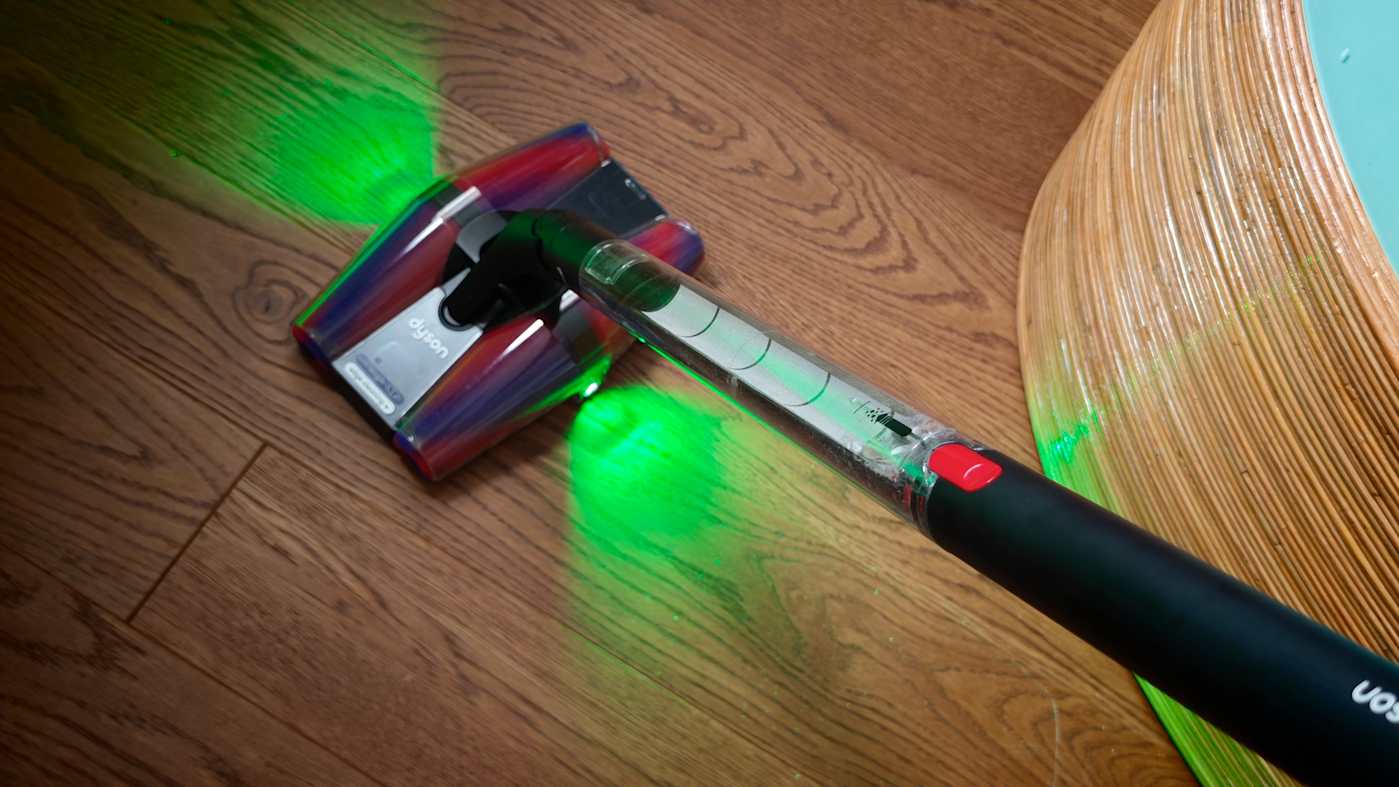
The big deal with Dyson’s new vacuum is how small it is. While “pencil” is certainly an ambitious noun to compare a floor vacuum to, the slender body of the PencilVac Fluffycones ($600) brings to mind mops and brooms rather than hulking cyclone-suction tech and connected cleaning. As we described it last year, it’s the company's most stick-like stick vacuum yet. Dyson has been repurposing its engine tech into smaller form factors for years, such as its hair dryers. However, this is the first time it’s been utilized for floor cleaning.
Dyson recently launched the PencilVac Fluffy, with a more traditional dual-roller system, but I’m focusing on the Fluffycones iteration and will call it simply the PencilVac for brevity. It combines several delightful design features, and while surprisingly potent, it’s — predictably — not quite able to match the power of its bigger brothers. The entire vacuum weighs under four pounds, which adds to its ease of use. That said, it’s heavier than it looks, as the rod shape holds everything inside.
With a 40mm-diameter (almost 1.6-inch) handle, it’s usable even with a single hand, if you want to be extra casual in your cleaning habits. It’s also a delight to use. As with several previous Dysons, like the OmniGlide, the dual-roller system seems to help the PencilVac glide across hard floors. It can be pulled and coaxed around furniture, table legs, under low-profile credenzas and more.
When at rest, the PencilVac sits on four central wheels, but once you start cleaning, the suction creates a sort of floating effect. Those four Fluffycone heads are designed to resist hair tangles, with any captured hair bundled like yarn at the tips of each cone for easier cleaning at the center of the PencilVac. The tips of each cone mean the vacuum can reach the edges of my flooring, too. The Fluffycones aren’t really able to dig into the pile, meaning that while they can certainly pull and lift a layer of dirt and dust, anything deeper will stay there.
That said, the PencilVac is a dedicated hard floor cleaner. If your home is entirely hardwood or has lots of tile, then it’s not an issue. But if you have carpeted rooms (or large rugs), you might want to consider other models. Also, at higher suction levels, the PencilVac’s rollers would occasionally cut out while vacuuming carpets and rugs.
The PencilVac is also equipped with front and back Dyson Detect lasers, making it easier to see where you’ve missed (and how terrible your floor cleaning habits are). Compared to bigger, more powerful models like the V15 Detect, the PencilVac had a greater tendency to spit out dirt when overwhelmed by larger amounts of debris. This only happened for me when I pushed the limits of what the PencilVac could handle: a handful of garden soil on my hardwood floor.
Because it’s 2026, of course, it’s a connected vacuum, too. When I put together and charged the PencilVac, the first thing it does is project a QR code for pairing. A quick firmware update later and it was ready for use. The only feature in the MyDyson app that you might find useful is maintenance reminders (i.e., when to clean the filter). Everything else, including a battery readout, is built into the handle.
Everything else is built into the handle. Compared to Dyson’s other stick vacs, there is no removable dust canister or battery block. The collection bin is cleverly integrated, drawing in dirt and using the same suction to compact it with force. When you need to empty the compartment — which holds a surprising amount (0.8 liters, according to Dyson) — you remove the cleaning head, point the body at your garbage can and ‘slide’ the dust (compacting it further in the process) into your trash can. The collection area is also see-through, so you can see everything you’re pulling into the PencilVac build up like a sort of gauge. When emptying the stick vac, I also noticed it doesn’t produce the dust cloud you often get with vacuums, which is another nice improvement.
Unlike its other stick vacuums, Dyson’s PencilVac comes with a free-standing charging dock, instead of a wall mount. This makes storage a little more versatile. If you’re a renter, there’s no need for any drilling. I think this also speaks to how it’s meant to be used: briefly, in bursts.
To that point, battery life seemed to be around 20 minutes, depending on the power level used and how dirty the surfaces were. Running entirely on boost, I got under 10 minutes of use. This weakness is exacerbated by a sluggish charging time of over three hours. For smaller spaces and not-too-messy lives, that’s more than enough clean time, though.
The PencilVac also comes with that Dyson premium, too, priced at $600. That’s still less than the company’s other recent stick vacuums. For example, that’s $50 less than the aforementioned V15 Detect. If your home has a lot of carpeting or rugs to clean, the bigger, more powerful models might be a better choice. The newer PencilVac Fluffy has a more traditional dual-roller system and it's also $150 cheaper.
With its minimalist form factor, the PencilVac is still an engineering marvel. Its high degree of mobility makes it easy to clean in tight corners and between furniture. I just wish it were slightly more powerful.
This article originally appeared on Engadget at https://www.engadget.com/home/smart-home/dyson-pencilvac-fluffycones-review-almost-the-perfect-floor-cleaner-for-tiny-apartments-154550089.html?src=rss